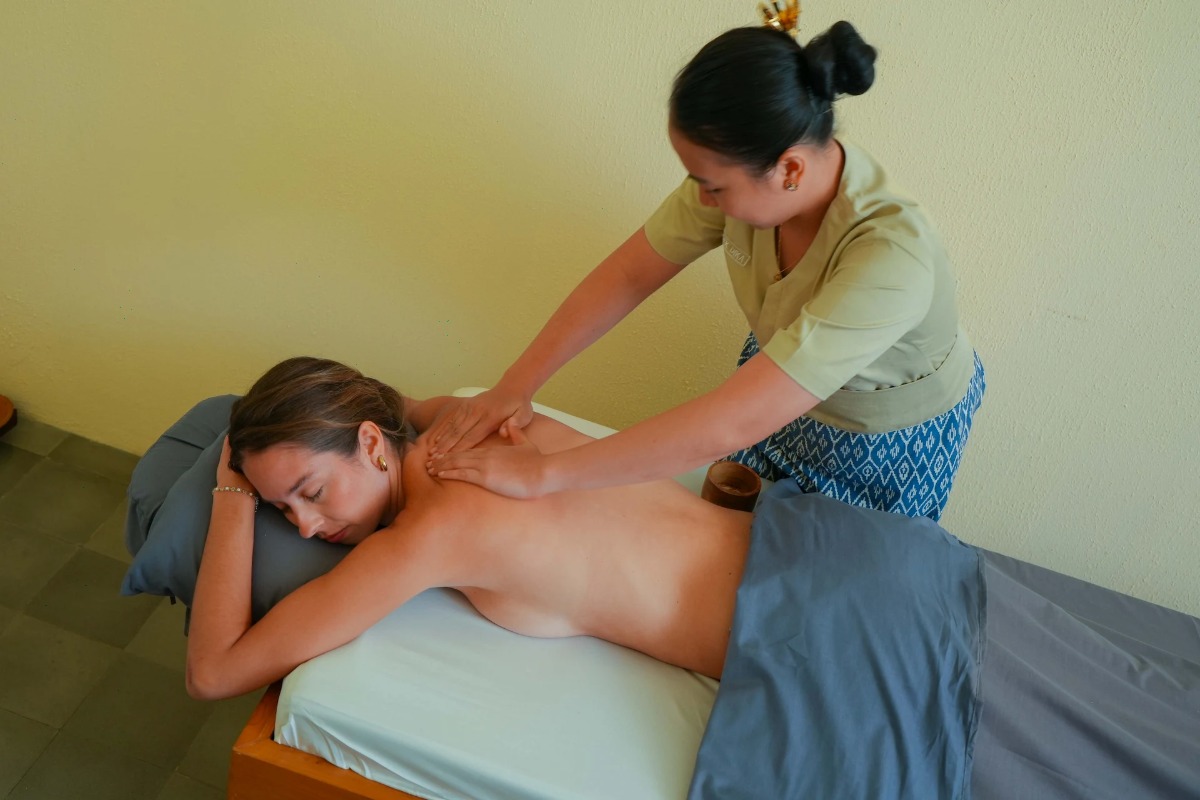
From traditional rituals to specialized massage, a deep tissue massage benefits you by helping dissolve built-up tension. It has become an essential investment for your well-being, as it can restore your body’s natural vitality.
This massage does matter for your muscles because it makes your body feel lighter after the treatment is done. If you are interested in getting a deep tissue massage, here is a complete explanation of it.
What Deep Tissue Massage Actually Does to Your Muscles
Deep tissue massage works by targeting the deeper layers of muscles and connective tissue, where chronic tension often builds up. This massage uses slow, firm pressure and focused strokes to release tight knots, improve blood circulation, and reduce stiffness.
As one of the massage types, deep tissue breaks down adhesions caused by overuse, poor posture, or repetitive strain. It allows muscles to move freely and recover effectively after getting stressed out because of a heavy agenda in daily.
What Happens Inside Your Body During a Deep Tissue Session
Deep tissue massage is known as a massage for sore muscles, a technique within sports massage. Something inside is shifting when you get this type of massage. For example, blood circulation flows better after the treatment is done.
Your nervous system also reacts during the session. As tension decreases, the body shifts from a stressed, guarded state into a calmer restorative mode. It may slow the heart rate, deepen breathing, and create an overall sense of relief.
Why Bali Creates the Perfect Conditions for Muscle Fatigue
Bali’s natural landscapes play huge roles in muscle fatigue. Climbing rice terraces, navigating temple stairs, surfing, or even riding scooters for long periods of time can strain the body.
Strain on legs, lower back, shoulders, and neck often happens after a whole day's trip. Even relaxing activities, like a long flight or working remotely with poor posture, can create stiffness.
The Core Benefits of Deep Tissue Massage for Muscle Recovery
Unlike traditional massage, deep tissue massage is thoughtfully designed for muscle recovery. It has core benefits for your body because the massage techniques target muscle layers and the inner connective layer, according to Alodokter. These techniques restore comfort and movement to your body.
Breaking Down Delayed Onset Muscle Soreness
You may feel muscle soreness, which is delayed due to heavy activities in daily life, like sitting in front of a computer for a long period. A deep tissue massage helps your body avoid soreness. If it happens already, the firm pressure melts down the strains.
Restored Circulation and the Removal of Metabolic Waste
Deep tissue massage helps restore circulation. A firm, targeted pressure is applied to tense areas, and blood flow increases to muscles that may have become tight, overworked, or lumbering.
Fascia Release and How It Restores Full Range of Motion
Fascia is the thin layer of connective tissue surrounding and supporting your muscles, joints, and organs. During a deep tissue massage, focused pressure releases stress from the fascia. As it begins softly, it glides more freely, and tension in the surrounding muscles often decreases as well.
The Nervous System Shift That Makes You Feel Lighter Afterward
Deep tissue massage benefits you by shifting the nervous system from a stressed to a relaxed state. As pressure is applied and tight areas begin to release, the body transitions from a stressed to a restorative state. The nervous system no longer feels the need to stay on alert.
Pain Reduction Without Medication
There are benefits of deep tissue massage for athletes, one of which is pain reduction without medication. Focused massage techniques help release built-up tension, which may ease pressure and reduce discomfort at its source.
The massage also encourages better circulation, making oxygen and nutrients reach strained tissues. It supports the body’s natural recovery process. As stiffness decreases, everyday movements become less painful.
The muscle knots are hyperirritable spots within tight muscle fibers. They don’t just hurt locally, as they can create referred pain, meaning discomfort shows up in a completely different area. Deep tissue massage applies sustained, targeted pressure directly to the trigger point.
Also, after the body gets intense activity or even long periods of sitting, your muscles experience microtrauma, which is tiny tears that trigger inflammation. Deep tissue massage works to improve circulation, increasing blood flow to inflamed tissues, so it gets restored.
Sleep Quality and How Recovery Happens Overnight
Firm pressure in areas like the neck, shoulders, back, and legs releases all bothersome tension. It eventually leads the body to feel comfort again, making you experience fewer interruptions during the night.
Deep tissue massage also helps lower stress levels, reducing racing thoughts and shallow breathing that often interrupt rest. As the body stays in a calmer state after a massage, sleep tends to feel more restorative.
Deep Tissue Massage in Bali Compared to Other Recovery Methods
Known as one of the best massages for muscle tension, deep tissue massage helps muscles recover faster than other massages. This massage offers a unique combination of physical recovery and mental reset that tourists value.
Deep Tissue vs Balinese Massage for Muscle Recovery
Even though it works for muscle recovery, these two massage approaches are different. Deep tissue massage uses firmer pressure to reach deeper muscle layers and connective tissue. Meanwhile, Balinese massage combines pressure, stretching, acupressure, and aromatherapy oil.
What makes Balinese massage special is deep relaxation, which makes the travel fatigue and whole-body stress melt away. Whereas deep tissue massage is perfect for chronic tension and sports-related soreness because firm pressure releases all tension on the spots.
Deep Tissue vs Rest, Stretching, and Self-Massage
You may use several recovery methods when your body feels sore, tight, or fatigued. Rest, stretching, self-massage, and deep tissue massage all offer benefits. These all methods recover soreness, but in different ways.
- Deep Tissue vs Rest
Rest alone may not release built-up tension and stiffness caused by travel, poor posture, or repetitive movements. It only gives muscles time to repair and restore the whole body's energy.
While deep tissue adds an active layer of recovery by helping muscles relax, improving circulation, and easing restrictions. Deeper pressure melts away the stress, making this massage beneficial for feeling refreshed.
- Deep Tissue vs Stretching
Deep tissue massage can go further when tension is deeper or more stubborn. Firm pressure is targeting areas that may feel sore, especially around the shoulders, back, hips, and legs.
Meanwhile, stretching improves flexibility and mobility by lengthening muscles and encouraging movement. It works well for daily maintenance and prevention.
- Deep Tissue vs Self-Massage
Tools of self-massage like foam rollers, massage balls, and hand-held devices can be useful for quick relief. They are convenient and more cost-effective than having any massage treatment outside.
However, certain areas on your body can be reached through self-massage. Even the pressure on your body is different. So, deep tissue massage is more efficient in identifying patterns of tension, as well-trained therapists use firm pressure to target areas.
When to Combine Deep Tissue with Other Spa Treatments
Deep tissue massage can be combined with other spa treatments, especially when stress and muscle tension happen together. Combining these treatments with aromatherapy or sound healing releases all tensions, both physical and mental.
These two treatments can also be a perfect combination after having a packed day of activities. Deep tissue massage and warm soaking rituals may support circulation and relaxation. It soothes the tension, leaving the body feeling warm and relaxed.
If you wonder, “When to choose deep tissue massage over other massages?”, you should understand that the massage technique targets muscle knots. So, you can choose this massage after long, intense activities or when you experience a persistent muscles stiffness.
How to Get the Most From Your Deep Tissue Session in Bali
Deep tissue massage helps you to recover easily from travel fatigue, tight knots, surfing, or built-up stress. To get the full benefits of it, a little preparation needs to be done, helping you to experience ultimate relaxation.
Timing Your Session Around Your Itinerary
Inserting deep tissue massage into your itinerary allows you feel relaxed. Perfect timing will let you experience the massage more deeply. So, you can book this massage session after a long flight, mid-trip when fatigue starts building, before a rest day, or near the end of the holiday.
The Bali climate also impacts muscle recovery after you surf for long periods. The climate increases dehydration, making the body lose more fluids, so muscles are more prone to tightness and cramping. So, you can include a deep tissue massage in your itinerary when staying in Bali.
How to Communicate With Your Therapist Before You Begin
Right after the arrival at the massage place, you can tell the therapist before the session begins. Mentioning tight areas, old injuries, preferred pressure level, or activities you have been doing helps to personalize the treatment.
What to Do in the Hours After Your Massage
After finishing the massage session, you have to stay hydrated. Drink plenty of water after the massage to support recovery and help your body feel better afterward. It prevents dehydration from happening on your body.
If it is possible, you have to avoid rushing straight into traffic, workouts, or a packed schedule. This will give your body a recovery time. So, make sure to rest, stretch lightly, and enjoy a calmer pace for a few hours.
Who Benefits Most and Who Should Consult a Doctor First
With firm pressure, deep tissue massage benefits those who are struggling with chronic tension, including:
For remote workers:
- Tight muscles from desk work or poor posture
- Stiffness limiting mobility
For Tourists:
- Chronic neck, shoulder, or back tension
- Muscle fatigue after a long flight or travel days
For athletes:
- Soreness after exercise, hiking, surfing, and long walking days
- Chronic back tension or shoulder pain due to sports activities.
Before booking a session, you should understand that deep tissue massage may not be suitable for everyone. In several cases, you have to consult with a doctor before getting the massage, including:
- Recent injuries, sprains, fractures, or surgery
- Severe or unexplained pain
- Herniated discs or nerve-related symptoms
- History of clots
- Significant osteoporosis
- Pregnancy
- Cancer treatment or other complex medical conditions
How Often to Book During a One or Two-Week Bali Trip
One deep tissue session is enough if you have a one-week Bali trip. The best timing to do it is on day 2 or 3 after the flight, and the first busy days. You can also plan to get this massage on day 5 or 6 after getting fatigued from the hectic holiday schedule.
If you stay for two weeks, two sessions of deep tissue massage work best. It is highly recommended to have the first session early in the trip to undo travel stiffness. The second session can be planned around the middle or near the final days for accumulated fatigue.
How Deep Tissue Massage Enhances Your Overall Bali Experience
With exceptional service from highly trained therapists, a deep tissue massage at Svaha Spa doesn’t just relax you. It restores your body after days of fatigue, tension, and strain.
Don’t wait until the soreness builds up. Book your deep tissue massage now with a special promo. and feel the difference from your very first session. Enjoy limited-time offers and exclusive perks when you reserve directly through our website or WhatsApp +62 812-3733-9353.