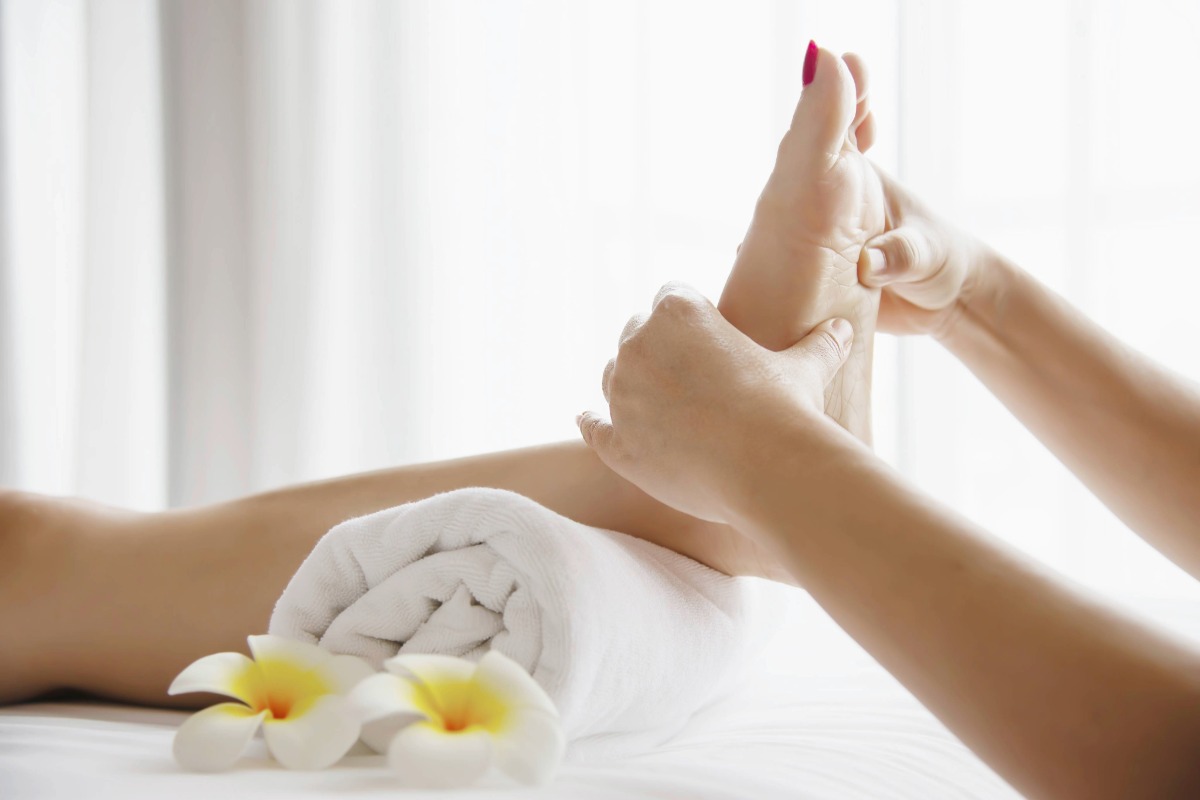
Foot reflexology is a restorative wellness treatment that offers deep relaxation and rejuvenation, even within a short 30-minute session. Although it appears similar to a foot massage, this therapy goes beyond surface-level comfort by applying targeted pressure points on the feet to promote healing, balance, and overall well-being throughout the body.
This treatment is rooted in the belief that specific reflex zones on the feet are connected to internal organs and body systems. Here is a full explanation about foot reflexology, including its benefits and how it works.
What Is Foot Reflexology?
According to the Cleveland Clinic, foot reflexology is a therapy that involves applying precise pressure to specific pressure points on the feet, each believed to correspond to different organs, glands, and systems in the body. These reflex zones are mapped across the soles, heels, and toes, forming the foundation of this practice.
By stimulating these pressure points, foot reflexology aims to calm the nervous system, encourage relaxation, and help the body return to a state of balance or homeostasis. This method has been practiced for centuries and is widely recognized for supporting both physical and mental harmony through non-invasive touch therapy.
Benefits of Foot Reflexology
Based on information from Siloam Hospitals and other trusted health sources, the following are key foot reflexology benefits commonly experienced:
- Pain Relief
This treatment may help reduce various types of discomfort by stimulating nerve endings in the feet, easing muscle tension, and encouraging relaxation throughout the body.
- Reduces Stress and Anxiety
Activating the body’s natural relaxation response helps calm the nervous system, making it effective for managing daily stress and anxiety.
- Improves Sleep Quality
Many individuals report deeper and more restful sleep following a foot reflexology massage, as the therapy supports relaxation and emotional balance.
- Better Circulation
Stimulating reflex zones on the feet can help improve blood circulation, allowing oxygen and essential nutrients to flow more efficiently throughout the body.
- Enhances Overall Well-Being
Regular sessions may help reduce fatigue, promote relaxation, and support a balanced physical and mental state.
- Supports Immune Function
Improved circulation combined with reduced stress may contribute to a stronger immune response, helping the body defend itself more effectively.
- Digestive and Organ Support (Traditional View)
In traditional practice, pressure applied to certain foot reflexology chart points is believed to support digestive health and organ function, although scientific evidence may vary.
What to Expect During a Foot Reflexology Session
For first-timers experiencing this treatment for relaxation, understanding the flow of the treatment session can help you feel more at ease. Below is a clear guide on what you can expect during a professional foot reflexology treatment.
- Comfortable Beginning
Your session begins with you sitting or reclining in a comfortable chair designed to support full-body relaxation. This initial setup allows your body and mind to settle before the reflexology therapy starts.
- Foot Preparation
The therapist may start the reflexology treatment with a warm foot soak or a gentle exfoliating scrub. This step helps soften the skin, activate reflex zones, and prepare your feet for targeted pressure work.
- Targeted Pressure Technique
Using thumbs and fingers, the therapist applies firm yet rhythmic pressure to specific reflex points on your feet. These pressure points are believed to correspond to different organs and systems in the body, forming the foundation of this therapy.
- Relaxing Sanctuary Atmosphere
In professional wellness destinations such as reflexology in Bali, the setting is intentionally calming. Soft lighting, gentle aromas, and a quiet environment enhance the overall treatment session, supporting deep relaxation and mental clarity.
- No Need to Undress
You remain fully clothed throughout the treatment. The focus of foot reflexology is limited to your feet and lower legs, ensuring comfort and ease for all guests.
Understanding Pain and Sensitivity in Reflexology
It is common to wonder what it means when certain areas feel sensitive. Experiencing foot reflexology pain in specific spots may indicate tension or imbalance in the related body area. Some mild discomfort, often described as “good pain,” can occur as pressure points are stimulated, but a professional treatment should never cause intense or unbearable pain.
Clinical research supports reflexology therapy as an effective method for reducing stress, anxiety, and physical discomfort, even though the reflex mapping itself is rooted in traditional wellness practices rather than modern anatomy.
Is Foot Reflexology Safe for Everyone?
In general, this treatment is safe for most people. However, individuals with foot fractures, severe circulation issues, or active gout should consult a medical professional before booking your session.
Pregnant women are advised to seek therapists trained specifically in prenatal reflexology, as certain pressure points may trigger uterine contractions.
Conclusion
Incorporating foot reflexology into your wellness routine can be a transformative experience for both physical and mental balance. For travelers and residents alike, accessing high-quality reflexology in Bali is effortless at trusted wellness destinations such as Svaha Spa.
Svaha Spa offers a serene and luxurious setting for any massage and therapy, making it an ideal choice for relaxation and holistic care. Ready to restore your balance? Experience professional reflexology treatment and mindful relaxation at Svaha Spa.